Email Us
News

How Does a Thermal Silicone Pad Improve Heat Dissipation in Electronic Devices?

2026-03-20 0 Leave me a message

Article Summary:
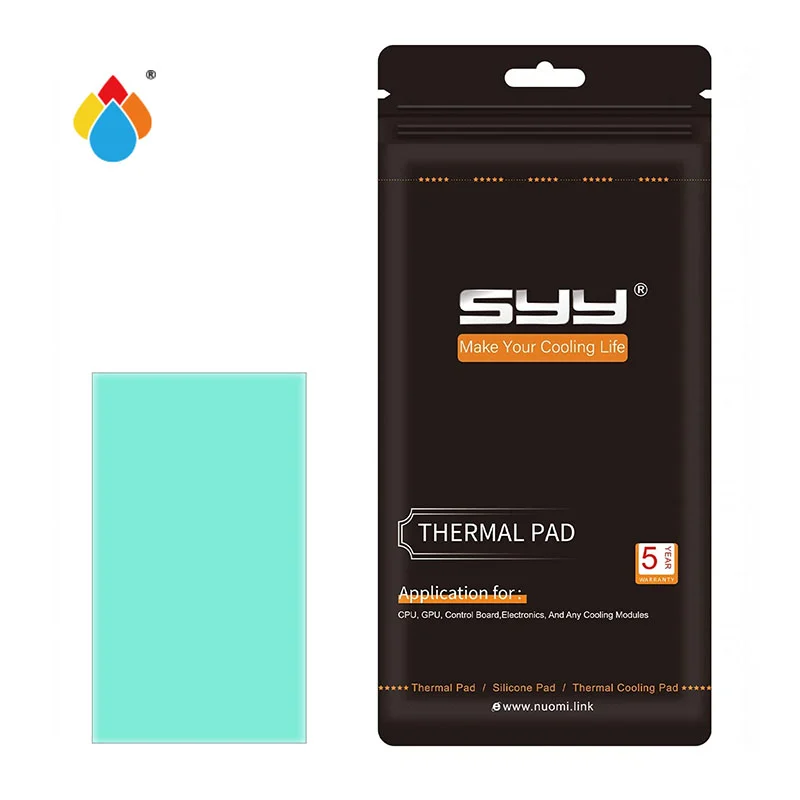
Thermal silicone pads are critical thermal interface materials used to bridge gaps between heat-generating components and heat sinks. This article explains how they function, their structural advantages, technical specifications, and how they solve common thermal management challenges such as overheating, poor contact surfaces, and inefficient cooling. It also provides practical selection guidance and answers frequently asked questions to support informed purchasing decisions.

Thermal Silicone Pad

Table of Contents


1. Overview of Thermal Silicone Pads

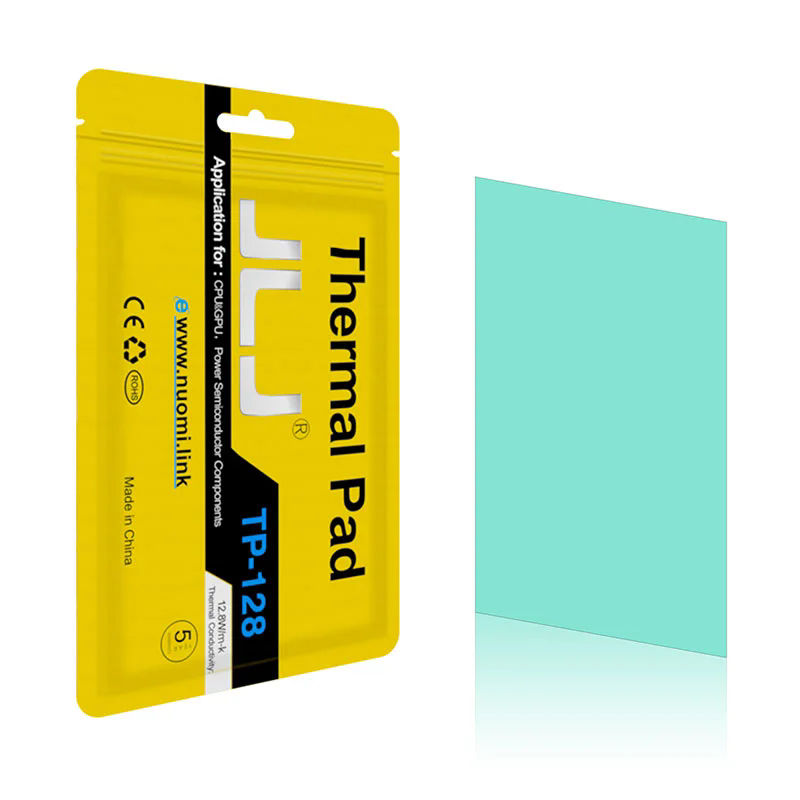
Thermal silicone pads are engineered materials designed to enhance heat transfer between electronic components and cooling systems. They are widely used as thermal interface materials (TIMs) to fill microscopic air gaps that naturally occur between uneven surfaces.

Air is a poor thermal conductor, so eliminating these gaps is essential for efficient heat dissipation. Thermal silicone pads solve this issue by conforming to surface irregularities and creating a continuous thermal pathway. :contentReference[oaicite:0]{index=0}

Companies such as Nuomi provide advanced thermal pad solutions tailored for modern electronics, ensuring reliability and performance in high-demand environments.


2. How Thermal Silicone Pads Work

The working principle of a thermal silicone pad is based on heat conduction and interface optimization:

  • Gap Filling: The pad fills microscopic voids between components and heat sinks
  • Heat Transfer: Conductive fillers inside the silicone transfer heat efficiently
  • Thermal Path Creation: Establishes a low-resistance pathway for heat flow

Thermal conductivity of these pads typically ranges from 0.8 to 15 W/m·K depending on formulation, enabling efficient heat transfer across interfaces. :contentReference[oaicite:1]{index=1}

By reducing thermal resistance, these pads significantly improve cooling efficiency and extend component lifespan.


3. Key Features and Benefits

Thermal silicone pads offer a combination of mechanical and thermal advantages:

  • High Thermal Conductivity: Enables rapid heat dissipation
  • Electrical Insulation: Prevents short circuits and enhances safety :contentReference[oaicite:2]{index=2}
  • Compressibility: Adapts to uneven surfaces for optimal contact
  • Wide Temperature Range: Operates from approximately -40°C to 200°C :contentReference[oaicite:3]{index=3}
  • Ease of Installation: Pre-formed sheets simplify assembly

These features make them suitable for compact and high-performance electronic systems.


4. Advantages Over Traditional Materials

Compared with thermal grease or paste, thermal silicone pads provide several operational advantages:

Feature Thermal Silicone Pad Thermal Grease
Application Easy, clean installation Messy and requires precision
Insulation Excellent electrical insulation Lower insulation performance
Thickness Range 0.3 mm – 10 mm or more Limited thickness
Maintenance Reusable and stable Requires reapplication

Additionally, thermal pads reduce the risk of contamination and simplify large-scale manufacturing processes. :contentReference[oaicite:4]{index=4}


5. Technical Parameters

Understanding technical specifications is essential when selecting a thermal silicone pad:

Parameter Typical Range
Thermal Conductivity 1.0 – 12.0 W/m·K
Thickness 0.2 – 10 mm
Operating Temperature -40°C to +200°C
Hardness Shore 00 5 – 80
Thermal Resistance 0.05 – 0.3 K·in²/W

These parameters directly impact performance and should align with the application’s thermal requirements. :contentReference[oaicite:5]{index=5}


6. How to Choose the Right Thermal Silicone Pad

Choosing the correct thermal pad involves several critical considerations:

1. Thermal Conductivity Requirement

  • Low-power devices: 1–3 W/m·K
  • High-performance electronics: 5–12 W/m·K or higher

2. Gap Size and Thickness

  • Measure the gap between components accurately
  • Select a pad that compresses slightly under pressure

3. Mechanical Properties

  • Soft pads for delicate components
  • Higher hardness for structural stability

4. Operating Environment

  • Consider temperature range and environmental exposure

5. Supplier Capability

Reliable manufacturers like Nuomi provide customized solutions, ensuring consistent quality, precise thickness control, and tailored thermal performance.


7. Common Applications

Thermal silicone pads are widely used across industries:

  • Consumer electronics (laptops, smartphones)
  • Power electronics and inverters
  • LED lighting systems
  • Automotive electronics and EV batteries
  • Telecommunication equipment

They play a vital role in maintaining thermal stability and preventing overheating failures in modern devices.


8. Frequently Asked Questions

Q1: What is the main purpose of a thermal silicone pad?
A: It fills air gaps between components and heat sinks to improve heat transfer efficiency.

Q2: Can thermal silicone pads replace thermal paste?
A: Yes, in many applications where ease of installation and cleanliness are priorities.

Q3: How do I choose the right thickness?
A: Measure the gap and select a pad that compresses slightly to ensure proper contact.

Q4: Are thermal silicone pads electrically conductive?
A: No, most pads provide excellent electrical insulation for safe operation.

Q5: Do thermal pads degrade over time?
A: High-quality pads maintain performance over long periods with minimal degradation.


Conclusion

Thermal silicone pads are an essential component in modern thermal management systems. By improving heat transfer efficiency, reducing thermal resistance, and simplifying installation, they address critical challenges in electronic design and operation.

For businesses seeking reliable and high-performance thermal interface solutions, Nuomi offers advanced products tailored to diverse industrial needs.

Contact us today to receive customized solutions, technical support, and competitive pricing tailored to your application requirements.

Related News
Leave me a message
E-mail
nm@nuomiglue.com
Mobile
+86-13510785978
Address
Building D, Yuanfen Industrial Zone, Bulong Road, Longhua District, Shenzhen, Guangdong, China
X
We use cookies to offer you a better browsing experience, analyze site traffic and personalize content. By using this site, you agree to our use of cookies. Privacy Policy
Reject Accept