Email Us
News

How Does PC Thermal Paste Improve CPU Cooling Efficiency?

2025-12-24 0 Leave me a message

Article Abstract

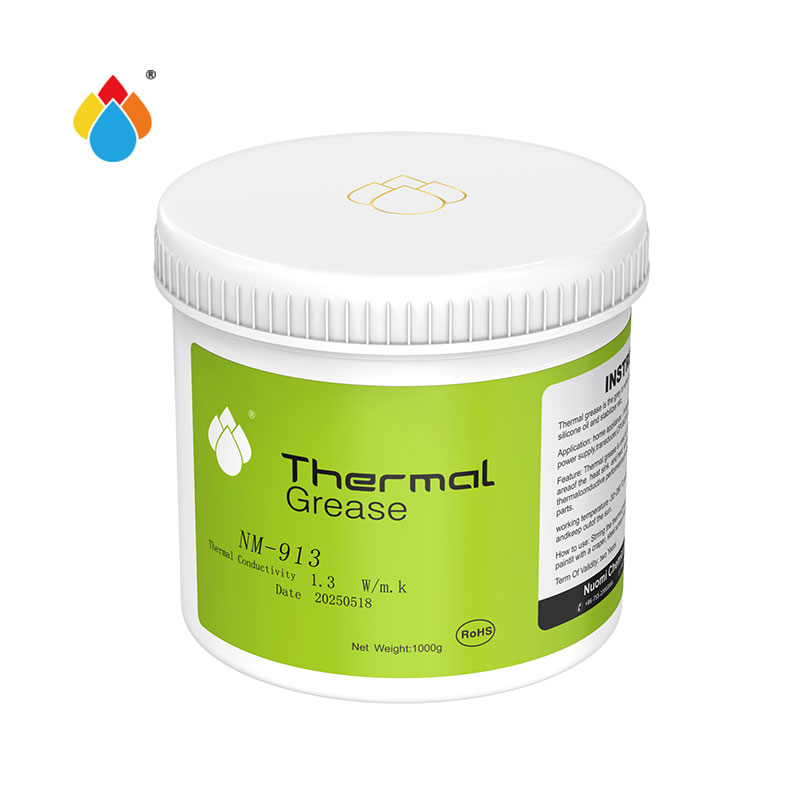
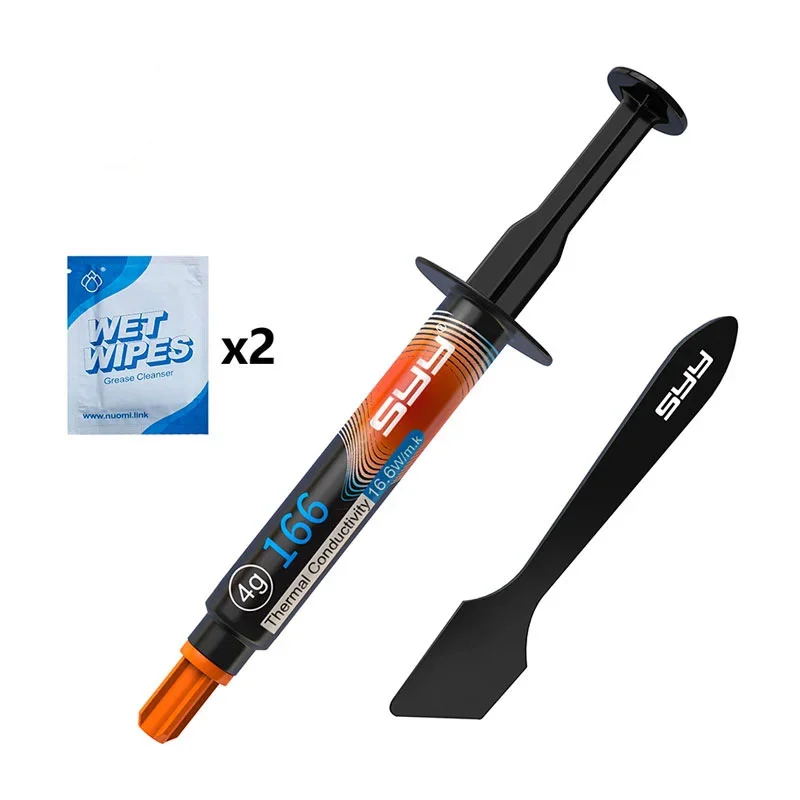
PC thermal paste, also known as thermal compound or thermal interface material (TIM), plays a critical role in modern computing systems by enhancing heat transfer between processors and cooling solutions. This article provides an in-depth explanation of how PC thermal paste functions, its technical parameters, application principles, and common user concerns. 

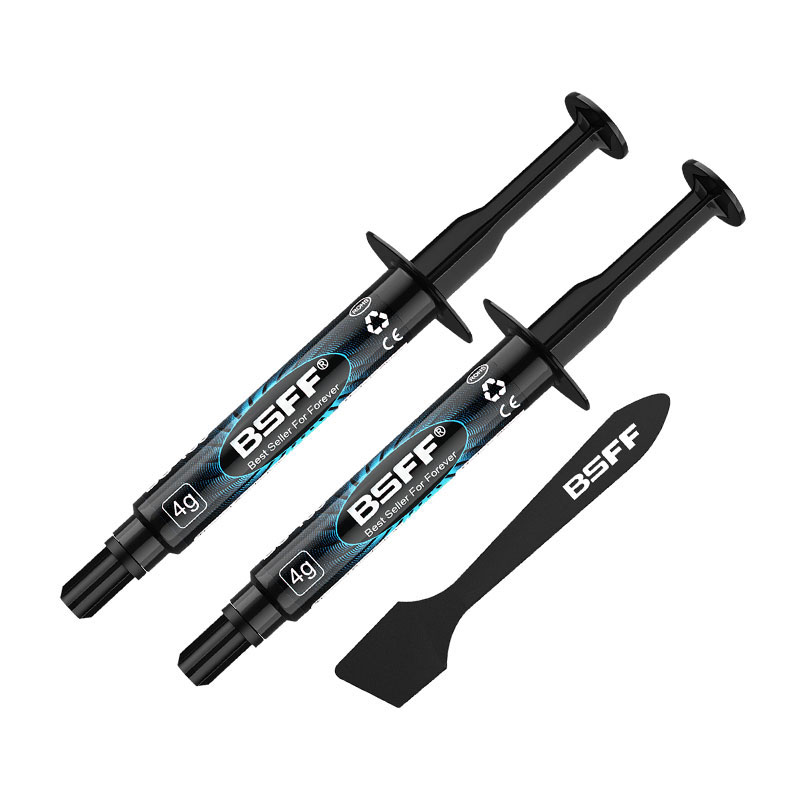
PC Thermal Paste

Table of Contents


Content Outline

  • Fundamental working principles of thermal paste
  • Professional-grade product parameters and specifications
  • Frequently asked questions with detailed explanations
  • Industry direction and brand introduction with contact guidance

How Does PC Thermal Paste Work Between CPU and Heatsink?

PC thermal paste is designed to eliminate microscopic air gaps that naturally exist between a CPU heat spreader and a heatsink base. Although both surfaces appear smooth, they contain tiny imperfections that trap air, a poor conductor of heat. Thermal paste fills these voids with a thermally conductive material, allowing heat to transfer efficiently from the processor to the cooling system.

The effectiveness of PC thermal paste directly influences system stability, thermal throttling behavior, and long-term hardware reliability. As processors continue to increase in core density and power consumption, the importance of consistent and predictable thermal conductivity becomes more pronounced.

From a system-level perspective, thermal paste serves as a passive but essential component in maintaining optimal operating temperatures across desktops, workstations, and gaming PCs.


How Should PC Thermal Paste Parameters Be Evaluated?

Professional evaluation of PC thermal paste relies on measurable technical parameters rather than subjective impressions. Below is a structured overview of key product specifications that define performance and usability.

Parameter Description
Thermal Conductivity Measured in W/m·K, indicating how efficiently heat is transferred from the CPU to the heatsink.
Viscosity Defines spreadability and application control, ensuring uniform coverage without overflow.
Operating Temperature Range Specifies stability under low and high thermal loads, critical for sustained performance.
Electrical Conductivity Non-conductive formulations reduce the risk of short circuits on densely populated motherboards.
Longevity Indicates resistance to drying, pumping-out effects, and performance degradation over time.

These parameters collectively determine how thermal paste performs under real-world workloads such as gaming, content creation, and continuous computational tasks.


How to Address Common Questions About PC Thermal Paste?

Q: How often should PC thermal paste be replaced?

A: Replacement intervals depend on formulation quality and usage conditions. High-quality thermal paste typically maintains stable performance for several years, while systems exposed to frequent thermal cycling may require earlier replacement to ensure consistent heat transfer.

Q: How much thermal paste should be applied to a CPU?

A: The goal is to achieve full surface contact without excess material. A controlled amount allows the mounting pressure of the heatsink to spread the paste evenly, preventing air pockets while avoiding spillage.

Q: How does thermal paste affect CPU lifespan?

A: Effective thermal transfer reduces prolonged exposure to high temperatures, which directly supports processor longevity, operational stability, and predictable performance over time.

Q: How does thermal paste differ from thermal pads?

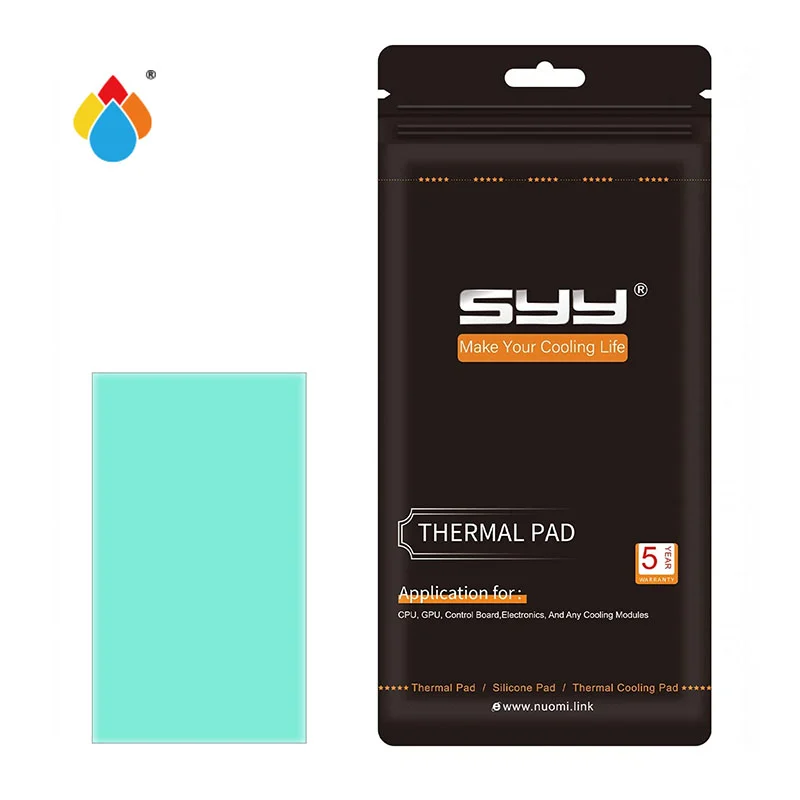
A: Thermal paste adapts more precisely to surface irregularities, whereas thermal pads provide fixed thickness solutions. Paste is generally preferred for CPUs due to its superior interface conformity.


How Will PC Thermal Paste Evolve With Future Hardware?

As CPU architectures continue to advance toward higher core counts and smaller fabrication processes, thermal interface materials must adapt accordingly. Future PC thermal paste development emphasizes improved stability under extreme thermal density, enhanced material consistency, and compatibility with automated assembly processes.

Manufacturers are increasingly focusing on formulations that maintain viscosity and thermal conductivity over extended periods while supporting environmentally responsible material choices. These trends reflect the broader evolution of PC hardware toward efficiency, durability, and sustainability.

Within this context, Nuomi continues to align product development with the demands of modern computing platforms, delivering PC thermal paste solutions engineered for reliable performance across diverse application scenarios.

For further technical details, customized solutions, or professional consultation regarding PC thermal paste selection, interested parties are encouraged to contact us directly and engage with Nuomi’s support team for tailored assistance.

Related News
Leave me a message
E-mail
nm@nuomiglue.com
Mobile
+86-13510785978
Address
Building D, Yuanfen Industrial Zone, Bulong Road, Longhua District, Shenzhen, Guangdong, China
X
We use cookies to offer you a better browsing experience, analyze site traffic and personalize content. By using this site, you agree to our use of cookies. Privacy Policy
Reject Accept