Thermal silicone pads are essential components in modern electronics, ensuring efficient heat dissipation and reliable device operation. This article explores how thermal silicone pads work, their types, applications, advantages, and selection criteria. By understanding these factors, businesses and consumers can enhance the performance, longevity, and safety of their devices.
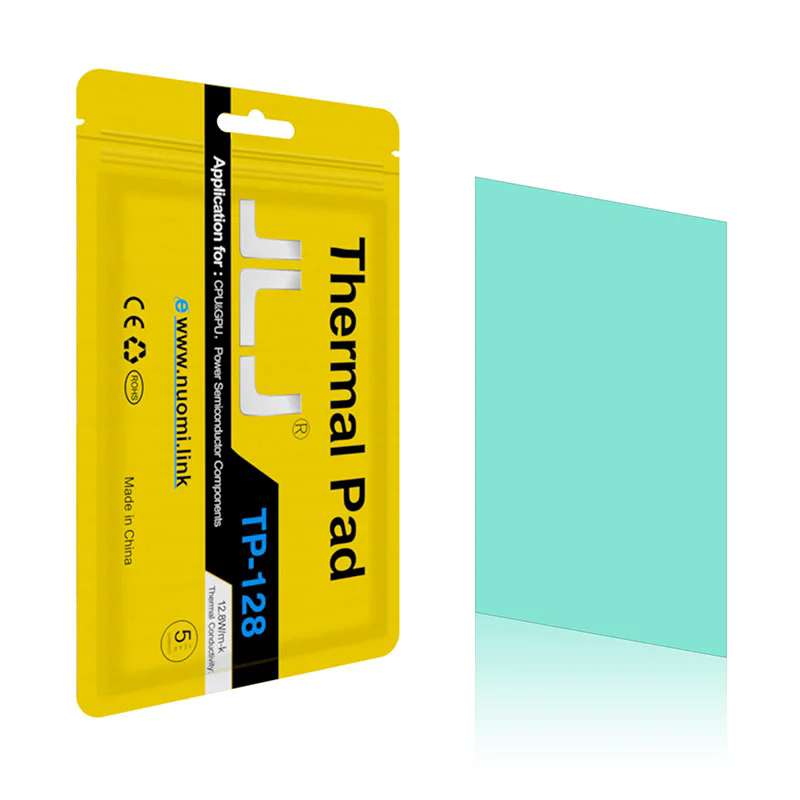
A thermal silicone pad is a soft, flexible material designed to bridge the gap between heat-generating electronic components and heat sinks or metal surfaces. Its primary function is to transfer heat efficiently while accommodating surface irregularities. Unlike thermal paste, these pads are solid, easy to handle, and often reusable.
Key properties of thermal silicone pads include:
High thermal conductivity
Electrical insulation
Flexibility and compressibility
Durability under high temperatures
Types of Thermal Silicone Pads
Thermal silicone pads come in various types, tailored to specific applications. Understanding the differences can help select the right pad for your project.
Type
Thermal Conductivity
Ideal Use
Standard Silicone Pads
0.8 - 2.0 W/mK
General electronics and low-power devices
High-Performance Silicone Pads
3.0 - 6.0 W/mK
High-power devices, CPUs, GPUs, LED modules
Phase-Change Silicone Pads
Up to 8.0 W/mK
Advanced thermal management for critical applications
Applications in Electronics
Thermal silicone pads are widely used across multiple industries to enhance heat dissipation and maintain device integrity. Common applications include:
Computers and Laptops: Placed between CPUs, GPUs, and heat sinks.
LED Lighting: Improves heat transfer from LED chips to heat sinks.
Power Electronics: Used in inverters, power modules, and battery management systems.
Consumer Electronics: Smartphones, tablets, and gaming consoles.
Automotive: Electric vehicle batteries, control units, and infotainment systems.
Benefits of Using Thermal Silicone Pads
Integrating thermal silicone pads into electronic devices provides multiple advantages:
Efficient Heat Dissipation: Reduces risk of overheating, protecting sensitive components.
Enhanced Reliability: Prevents thermal stress and device failure.
Electrical Insulation: Safeguards against short circuits.
Ease of Installation: Pre-cut pads can be quickly applied without messy paste.
Long-Term Durability: Maintains performance under repeated thermal cycles.
How to Choose the Right Thermal Silicone Pad
Selecting the ideal thermal silicone pad involves considering multiple factors:
Pad Thickness: Thicker pads fill larger gaps but may reduce efficiency.
Compression Rate: Proper compressibility ensures full surface contact.
Operating Temperature: Ensure the pad can withstand device-specific temperatures.
Electrical Insulation: Critical for preventing unintended electrical paths.
Nuomi provides a wide range of thermal silicone pads that meet industry standards and can be customized for specific applications. Learn more at Nuomi Thermal Silicone Pads.
Proper Installation Techniques
Correct installation is crucial for achieving optimal thermal performance:
Clean the surfaces thoroughly to remove dust and oil.
Align the pad precisely over the component to ensure full coverage.
Apply gentle pressure to compress the pad evenly without damaging the device.
Recheck alignment after assembling the device.
FAQ
Q1: Can thermal silicone pads be reused?
Yes, many high-quality pads from Nuomi can be reused multiple times without significant loss of performance, provided they are handled carefully.
Q2: Are thermal silicone pads better than thermal paste?
It depends on the application. Pads offer easy installation, electrical insulation, and consistent performance, while paste may provide slightly higher thermal conductivity in some high-performance scenarios.
Q3: How do I measure thermal conductivity?
Manufacturers provide thermal conductivity ratings in W/mK. Choose a pad with appropriate conductivity based on device power and heat generation.
Q4: What thickness should I choose?
Measure the gap between the component and heat sink. Pads typically come in 0.5mm to 5mm; select one that ensures full contact without excessive compression.
Q5: Where can I buy high-quality thermal silicone pads?
Nuomi offers a comprehensive range of thermal silicone pads suitable for various electronics. Visit Nuomi Thermal Silicone Pad to explore options.
Conclusion
Thermal silicone pads are vital for effective thermal management in modern electronic devices. By understanding their types, benefits, and installation techniques, users can ensure better performance, reliability, and safety of their devices. Nuomi provides premium thermal silicone pads designed to meet diverse application requirements. Enhance your device’s thermal efficiency today and contact us to discover the best solutions for your electronics.
We use cookies to offer you a better browsing experience, analyze site traffic and personalize content. By using this site, you agree to our use of cookies.
Privacy Policy