Email Us
News

How Does Thermal Paste for Car Improve Your Vehicle’s Performance?

2026-05-14 0 Leave me a message

Summary: Thermal paste, commonly used in electronics and computers, has recently found its place in automotive applications. This article explores how thermal paste for cars works, why it matters, and what benefits it brings to your vehicle’s engine and electronic systems. Discover practical tips for application, selection, and maintenance to ensure your car runs efficiently while protecting critical components.

Thermal Paste For Car

Table of Contents


What is Thermal Paste for Cars?

Thermal paste, also known as thermal compound, is a substance that enhances heat transfer between surfaces. In cars, it is primarily used in two areas:

  • Engine control units (ECU) and other electronic modules that generate heat
  • High-performance components such as turbochargers and hybrid power electronics

The paste fills microscopic gaps between metal surfaces and heat sinks, ensuring maximum thermal conductivity and preventing overheating. Unlike traditional cooling solutions that rely solely on airflow or coolant, thermal paste directly improves the efficiency of heat dissipation.

Component Role of Thermal Paste Benefits
ECU Enhances heat transfer to the cooling plate Reduces failure due to overheating, prolongs lifespan
Turbocharger Electronics Improves thermal contact with heat sinks Maintains optimal performance, prevents thermal throttling
Hybrid Battery Modules Facilitates uniform heat dissipation Enhances efficiency and battery life

Why Should You Use Thermal Paste in Your Car?

Car owners often overlook the significance of thermal management. Here’s why thermal paste is crucial:

  1. Prevents Overheating: High temperatures can damage electronic circuits and engine sensors. Thermal paste ensures heat is efficiently transferred away from sensitive components.
  2. Improves Performance: Efficient heat dissipation allows ECUs and turbo systems to function optimally, resulting in smoother acceleration and better engine response.
  3. Extends Component Life: Reducing thermal stress prevents premature failure, lowering maintenance costs.
  4. Supports High-Performance Modifications: For tuned engines or hybrid systems, thermal paste ensures components stay within safe operating temperatures.

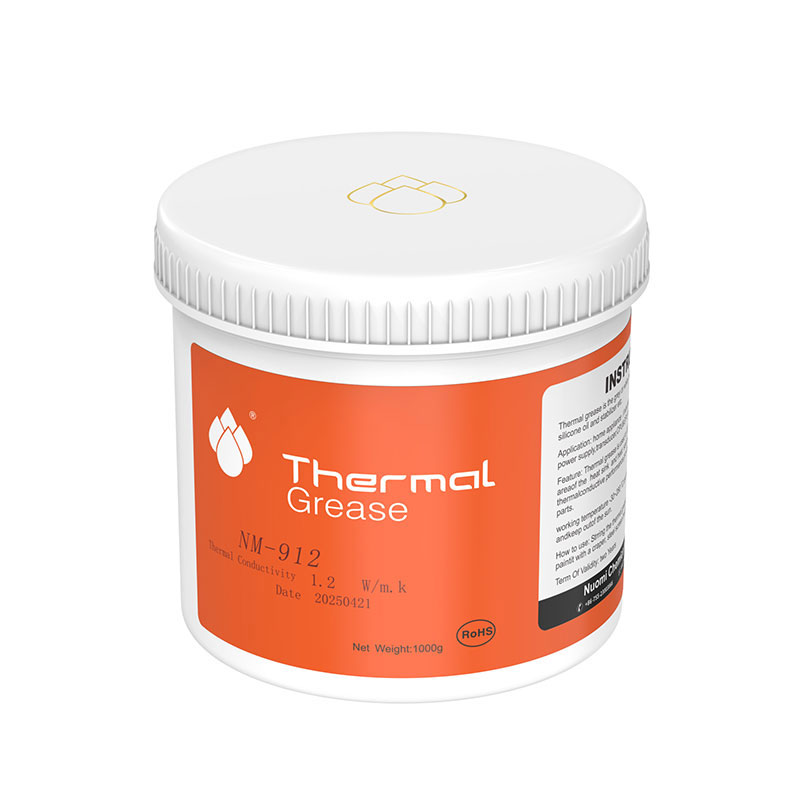
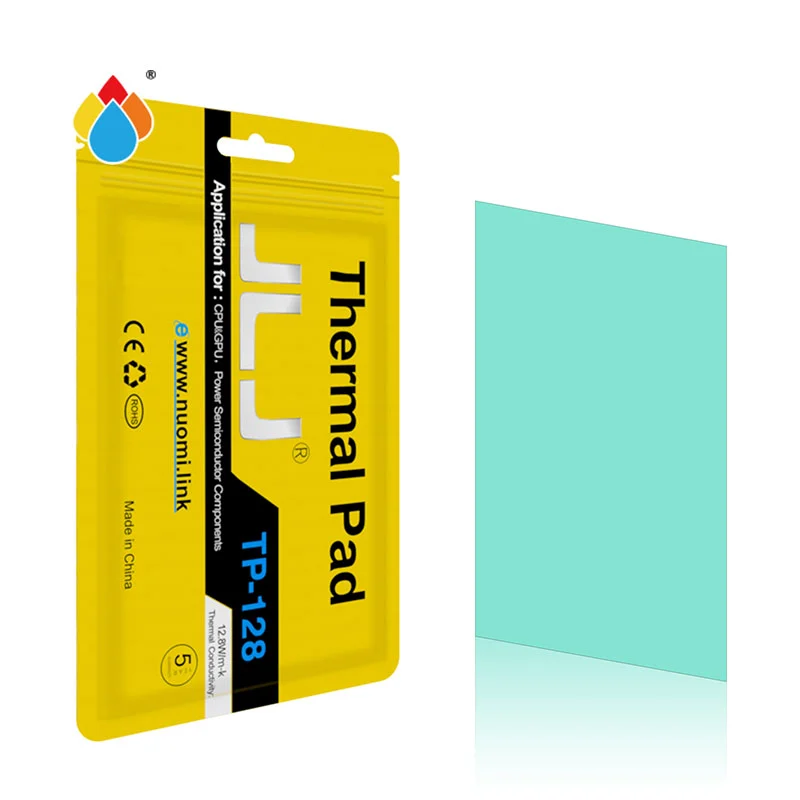
Nuomi’s thermal paste products are designed specifically for automotive use, offering superior heat conductivity and long-lasting stability under extreme conditions.


How to Apply Thermal Paste Properly

Applying thermal paste incorrectly can reduce its effectiveness. Follow these steps for optimal results:

  • Clean the surfaces with isopropyl alcohol to remove old paste and debris.
  • Apply a pea-sized amount of thermal paste on the center of the component.
  • Use a flat tool or spreader to evenly distribute the paste across the surface.
  • Reassemble the heat sink or cover carefully, avoiding excess pressure.
  • Check the temperature after initial use to ensure effective heat transfer.

Tip: Do not overapply thermal paste; too much can reduce conductivity and cause messes. Nuomi provides easy-to-use applicators that ensure precision every time.


Types of Thermal Paste and How to Choose

Not all thermal pastes are equal. Here are common types suitable for automotive applications:

  • Metal-Based: High conductivity, suitable for high-performance engines. Requires careful application to prevent short circuits.
  • Ceramic-Based: Safe for all electronics, moderately conductive, and long-lasting.
  • Silicone-Based: Low cost, easy to apply, suitable for moderate heat environments.
Type Thermal Conductivity Recommended Use
Metal-Based High Turbo electronics, hybrid battery modules
Ceramic-Based Medium ECUs, general automotive electronics
Silicone-Based Low Low-heat sensors, cooling covers

Choosing the right thermal paste ensures your car’s electronics and engine components remain protected and efficient. Nuomi provides detailed specifications to help you select the perfect product for your application.


Common Issues and Solutions

Even with proper application, some challenges can arise:

  • Excess Paste: Can lead to leakage and reduced conductivity. Use controlled application.
  • Drying Out: Over time, paste can harden. Reapply every 2–3 years for high-heat areas.
  • Incompatibility: Some pastes may react with metals. Always check product compatibility; Nuomi’s thermal pastes are tested for automotive metals.

FAQ

Can I use computer thermal paste in my car?
Some computer pastes may work, but automotive-grade thermal paste like Nuomi’s is formulated for higher temperatures and vibration resistance.
How often should I replace thermal paste in my vehicle?
For critical components like ECUs or hybrid modules, every 2–3 years is recommended. Turbo systems may require more frequent checks.
Does thermal paste improve fuel efficiency?
Indirectly, yes. Efficient heat management ensures components operate optimally, which can lead to smoother engine performance and slight fuel savings.
Is application difficult?
No, with proper guidance and tools like those offered by Nuomi, application is straightforward and safe.

In conclusion, thermal paste for cars is an essential but often overlooked component for maintaining and enhancing vehicle performance. From preventing overheating to prolonging component life, proper selection and application are key. Nuomi offers high-quality thermal paste solutions designed specifically for automotive use. Ensure your car’s electronics and high-performance components stay cool, efficient, and reliable.

For more information or to purchase Nuomi thermal paste for your vehicle, contact us today and protect your investment.

Related News
Leave me a message
E-mail
nm@nuomiglue.com
Mobile
+86-13510785978
Address
Building D, Yuanfen Industrial Zone, Bulong Road, Longhua District, Shenzhen, Guangdong, China
X
We use cookies to offer you a better browsing experience, analyze site traffic and personalize content. By using this site, you agree to our use of cookies. Privacy Policy
Reject Accept