Email Us
News

How Does Bonding Epoxy Adhesive Solve Your Most Critical Assembly Challenges?

2026-02-06 0 Leave me a message

Article Summary: Bonding epoxy adhesive is one of the most versatile and high-performance adhesives available for structural and industrial applications. This article explores what makes bonding epoxy different, how it works, the key benefits, how to choose the right formulation, best practices for application, and answers to common questions. Whether you are working in manufacturing, construction, aerospace, or electronics, this guide will clarify how to reduce failures, increase durability, and optimize your assembly processes with epoxy adhesive solutions.

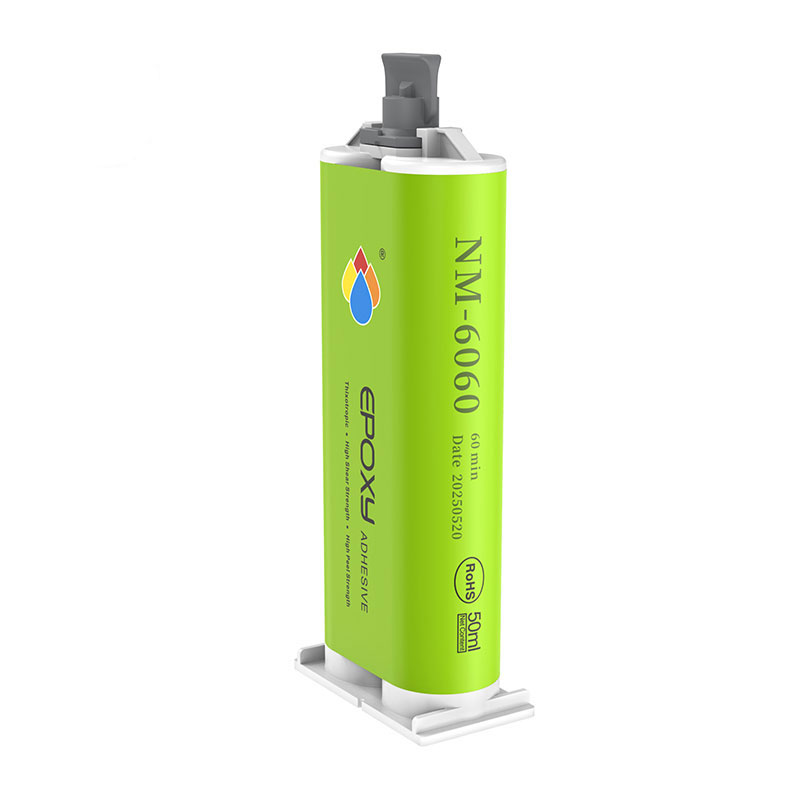
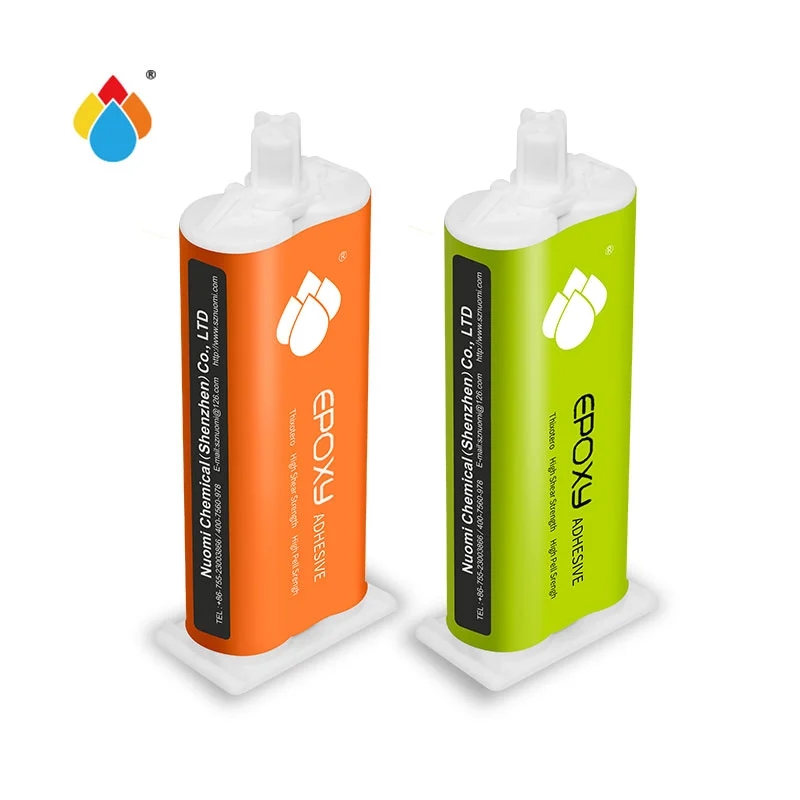
Bonding Epoxy Adhesive For Stainless


Table of Contents


What Is Bonding Epoxy Adhesive?

Bonding epoxy adhesive is a type of thermosetting polymer created by mixing resin and hardener components. Once mixed, a chemical reaction begins that transforms the liquid mixture into a solid polymer matrix. This hardened network delivers exceptional bonding strength and resistance to heat, chemicals, moisture, and mechanical stresses.

Epoxy adhesives come in a range of viscosities and cure times, from rapid setting versions to slow-curing variants designed for high-precision assemblies. These adhesives are widely used across industries including automotive, aerospace, electronics, construction, and marine.


How Bonding Epoxy Works

The performance of bonding epoxy adhesive is based on three main phases:

  • Mixing: Resin and hardener are combined in precise ratios to initiate the curing reaction.
  • Curing: Through an exothermic reaction, the mixture transitions from a liquid to a solid over time and temperature.
  • Bond Formation: As the material solidifies, it creates a crosslinked polymer network that envelops and locks substrates together at the molecular level.

The cured epoxy fills microscopic surface irregularities, creating a mechanical interlock, and it also forms strong chemical bonds with many substrates like metals, composites, ceramics, and plastics.


Key Benefits of Using Epoxy Adhesives

Below is a summary table outlining the main advantages of bonding epoxy adhesives compared to other adhesive systems:

Characteristic Epoxy Adhesive Alternative (e.g., Cyanoacrylate, PU)
Strength Very High Moderate to High
Chemical Resistance Excellent Variable
Temperature Resistance Up to +200°C+ Lower
Gap Filling Good Poor to Fair
Electrical Insulation Excellent Varies
  • Superior Strength: Epoxy adhesives deliver structural bonding that withstands high loads.
  • Environmental Durability: Resistance to moisture, solvents, and temperature extremes enhances long-term performance.
  • Gap Fill Capability: Many epoxy systems can fill voids between imperfect surfaces.
  • Curing Flexibility: Formulations exist for room temperature cure, heat-accelerated cure, and extended working times.

Bonding Epoxy Selection Guide

Selecting the right bonding epoxy adhesive depends on understanding application demands and substrate characteristics. Below are the primary decision factors to consider:

1. Substrate Compatibility

  • Metals (e.g., steel, aluminum): choose high-strength formulations with good thermal stability.
  • Plastics: select epoxy types engineered for adhesion to low-surface-energy plastics or pretreated surfaces.
  • Composites and ceramics: use epoxy with good wetting properties and cure profiles that match production needs.

2. Cure Time & Method

  • Fast cure epoxies: ideal for high-throughput production.
  • Slow cure epoxies: better for large assemblies or complex fixturing.
  • Heat-activated epoxies: suited for programmed thermal cures.

3. Mechanical & Environmental Requirements

  • High shock/vibration tolerance: select flexible or toughened epoxies.
  • Chemical exposure: choose chemical-resistant grades.
  • Temperature extremes: epoxy systems rated for extended temperature ranges.

Application Best Practices

Proper surface preparation and application technique dramatically influence the performance of bonding epoxies. Follow these guidelines for optimal results:

  • Surface Cleaning: Remove oils, dust, and oxidation with appropriate solvents or abrasives.
  • Surface Roughening: Light abrasion improves mechanical interlocking.
  • Correct Mixing: Ensure accurate resin to hardener ratio; under- or over-mixing reduces strength.
  • Controlled Environment: Apply in controlled temperature and humidity conditions when possible.

Note: Always consult the technical datasheet for specific mixing ratios, pot life, and recommended curing schedule.


Epoxy vs Other Adhesive Types

Understanding how bonding epoxy compares to alternative adhesives helps clarify when epoxy is the best choice:

  • Epoxy vs Cyanoacrylate: Epoxy offers better environmental resistance and gap fill, while cyanoacrylates cure faster but have limited gap fill and moisture tolerance.
  • Epoxy vs Polyurethane: Polyurethane can be more flexible but typically has lower chemical resistance and strength than epoxy systems.
  • Epoxy vs Acrylic: Acrylic adhesives cure quickly and tolerate some contamination but often lack the long-term temperature and chemical performance of epoxies.

Frequently Asked Questions

Q1: Can bonding epoxy adhesive be used on damp surfaces?
A: Most epoxy adhesives perform best on dry, clean surfaces. Moisture can interfere with adhesion and cure. Some specialized formulations tolerate slight moisture, but surface drying is recommended for maximum strength.

Q2: How long does epoxy adhesive take to fully cure?
A: Cure times vary by formulation and environmental conditions. Many epoxies achieve handling strength within 1–4 hours and full cure in 24–72 hours at room temperature. Heat-accelerated cures shorten these times.

Q3: Is bonding epoxy suitable for high-temperature applications?
A: Yes — high-temperature epoxy adhesives are designed to withstand continuous service temperatures of 150°C to over 200°C depending on grade.

Q4: How should I store epoxy adhesive components?
A: Store in cool, dry conditions away from direct sunlight. Follow manufacturer storage guidelines to preserve shelf life.

Q5: Can epoxy adhesive be sanded or painted after cure?
A: Yes — once fully cured, epoxy can typically be machined, sanded, or painted like other substrates.


Conclusion & Contact

Bonding epoxy adhesive provides unparalleled structural performance, environmental resistance, and application flexibility when properly selected and applied. Whether you need to bond metals, composites, plastics, or ceramics, understanding how epoxy adhesives work and how to deploy them effectively can reduce failures and improve production outcomes.

If you are ready to improve the reliability and performance of your bonded assemblies with high-quality epoxy adhesive solutions, NUOMI is here to help. For tailored product recommendations and technical support to meet your assembly requirements, contact us and let our expert team assist you with the right bonding solution.

Related News
Leave me a message
E-mail
nm@nuomiglue.com
Mobile
+86-13510785978
Address
Building D, Yuanfen Industrial Zone, Bulong Road, Longhua District, Shenzhen, Guangdong, China
X
We use cookies to offer you a better browsing experience, analyze site traffic and personalize content. By using this site, you agree to our use of cookies. Privacy Policy
Reject Accept